
SP Sales Corporation
Hydraulic knowledge centre

Read the circuit
before you replace it.

Field-tested guidance from twenty-five years of supplying hydraulic components — written for the people who actually diagnose, order and fit them.

018 min read

Hydraulic Pump Failure Guide

Noise, heat, slow cycles and low pressure — how to read the seven most common hydraulic pump failure symptoms before the pump destroys itself.

Most hydraulic pumps announce their failure long before they stop. A rising whine under load usually means aeration or cavitation — air entering through the suction line, or oil too cold and too thick to fill the pistons. Left alone, the collapsing bubbles erode the swash plate and valve plate within weeks.

Slow cycle times and a machine that loses power at full extension normally point to internal leakage past worn pistons or a scored valve plate. Confirm it with a flow test at rated RPM before condemning the pump: a clogged suction strainer, a failed pilot pressure circuit or a stuck relief valve produce the same symptom for a fraction of the cost.

Overheating oil, metallic glitter in the filter and a case drain flow above the manufacturer's limit are the three signs that a rebuild is no longer economical. When you reach that point, send us the pump nameplate photograph and we will quote both a genuine unit and a premium aftermarket equivalent.
026 min read

OEM vs Aftermarket Pumps

Where aftermarket hydraulic pumps genuinely match OEM, where they don't, and how to judge the difference on a spec sheet.

Genuine pumps carry the machine manufacturer's badge and warranty. OEM pumps come off the same production line but ship in the component maker's own box. Premium aftermarket pumps are manufactured independently to the same dimensional, pressure and displacement specification.

The differences worth checking are hardness of the swash plate, the bearing brand, the casting tolerance and the seal compound. A quality aftermarket pump matches on all four and typically lands at 40–60% of the genuine price. A low-cost copy compromises on the bearings first, which is why it fails at the two-hundred-hour mark.

Our rule is simple: high-duty-cycle machines and mining fleets get genuine or OEM; rental units, ageing machines and standby equipment often make more commercial sense on premium aftermarket. We quote both so the decision stays with you.

035 min read

Hydraulic Seal Kits

Seal materials, temperature limits and why a two-hundred rupee wiper seal decides whether a cylinder lasts a season.

A cylinder seal kit is a set of rod seals, piston seals, wiper seals, o-rings and back-up rings sized to one specific cylinder bore and rod diameter. Fitting a kit that is close but not exact is the most common cause of a repeat leak within a month.

Material matters as much as size. Nitrile handles standard mineral oil to about 100°C. Polyurethane resists extrusion at high pressure. Viton is required where oil temperature runs hot or where fire-resistant fluid is used. Confirm the fluid and duty before ordering.

When you order a kit, always replace the wiper seal too. It costs almost nothing and it is the component that keeps site dust off the chrome rod — dust that scores the rod and destroys the new rod seal.

047 min read

Hydraulic Pump Maintenance

Oil cleanliness targets, filter change intervals and the service routine that doubles pump life on dusty sites.

Oil cleanliness decides pump life more than any other factor. Target ISO 4406 18/16/13 for piston pumps in construction duty. Every step worse than that roughly halves component life.

Change return line filters at 500 hours in dusty environments and sample the oil at the same interval. Check the suction strainer whenever the pump is opened — a partly blocked strainer starves the pump and produces the cavitation damage that gets blamed on the pump itself.

Before commissioning a new or rebuilt pump, fill the case with clean oil, bleed the suction line and run it unloaded for several minutes. Dry starts destroy more replacement pumps than any manufacturing defect.

059 min read

Choosing the Right Hydraulic Pump

Displacement, pressure rating, rotation, shaft spline and port configuration — the five numbers to confirm before ordering.

Five numbers determine whether a pump fits: displacement in cc/rev, maximum working pressure, direction of rotation, shaft type and spline count, and port configuration with thread size.

Displacement and RPM together give flow. Under-specifying displacement produces a machine that works but works slowly; over-specifying overloads the engine and heats the oil. Match the original figure unless a system change justifies otherwise.

Rotation is viewed from the shaft end and is not reversible on most piston pumps. Photograph the nameplate, the shaft end and the port face and send all three on WhatsApp — our team confirms the match before anything is dispatched.

066 min read

Hydraulic Parts Buying Guide

How to raise an RFQ that gets a same-day answer: part numbers, machine models, nameplate photos and serial ranges.

The fastest quotations come from complete enquiries. Include the machine make, model and serial number, the part number stamped on the component, the nameplate photograph, the quantity and the destination port or city.

Where a part number is illegible, a clear photograph of the component from three angles with a tape measure across the mounting flange is usually enough for our team to identify it.

For export orders, tell us whether you need door-to-door freight or ex-works pricing, and whether shipments should be consolidated. We handle export documentation, packing and freight forwarding to over thirty countries.

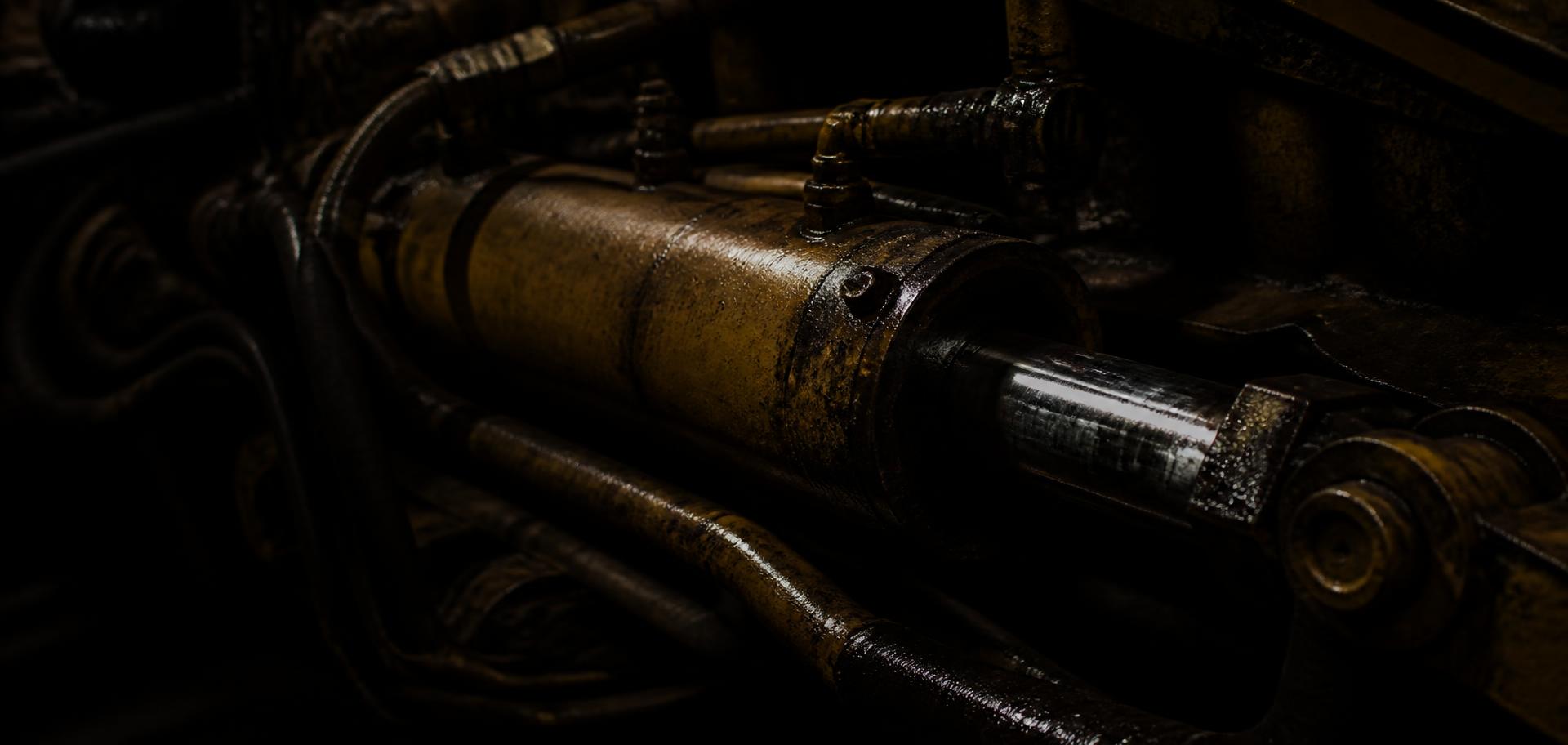
Hydraulic cylinder and pipework on heavy equipment
Let's talk

Need a hydraulic pump?

Send us your machine model, part number or a photograph of the nameplate. We reply the same working day with availability, lead time and a landed-cost quotation.

A Specialist Hydraulic Components Website by SP Sales Corporation.